Project Overview
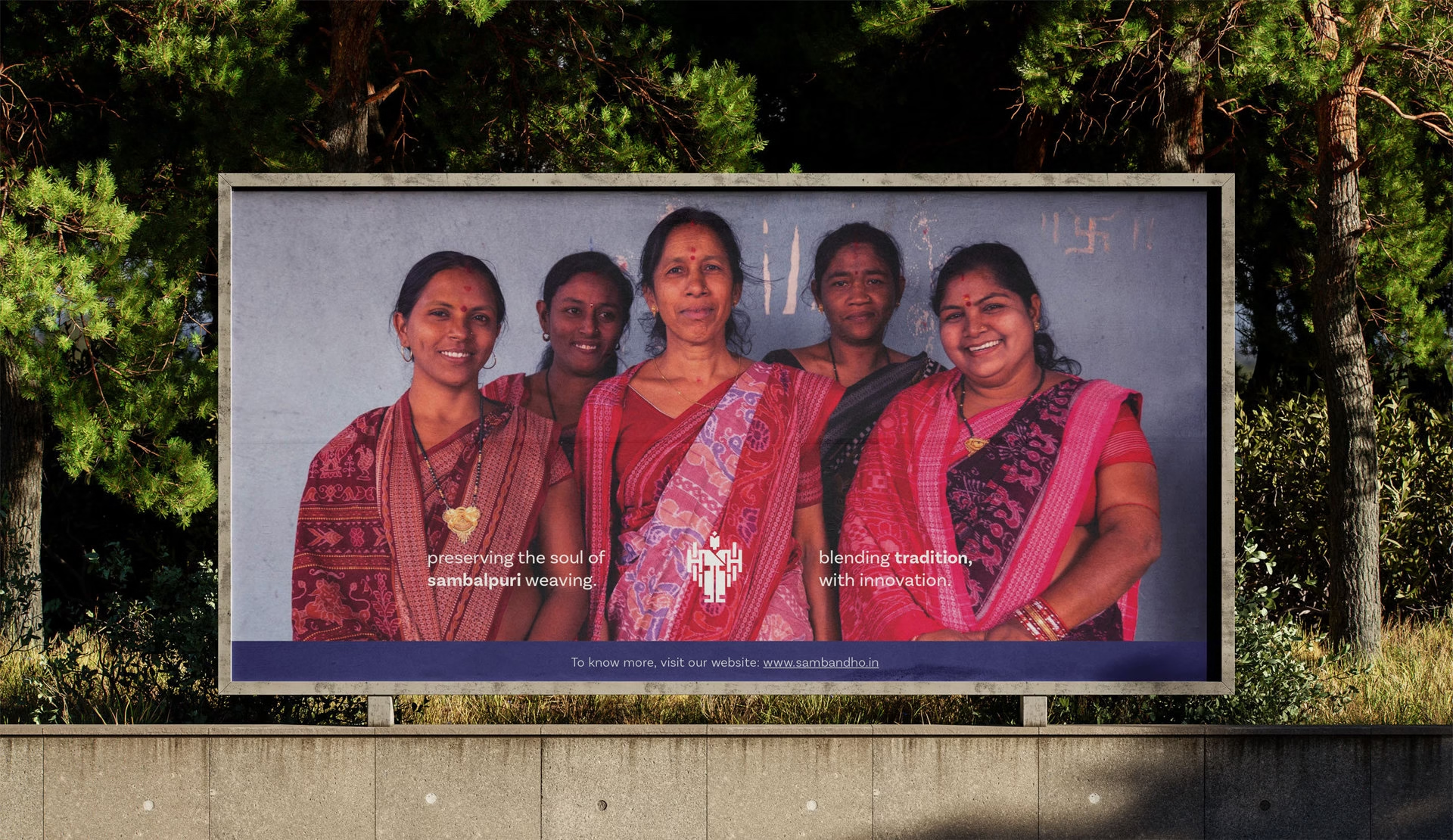
Sambandho Mahila Bunkar Producer Company Limited is a collective of skilled women weavers from Odisha, rooted deeply in the cultural legacy of Sambalpuri textiles. With a mission to bridge traditional handloom practices with modern markets, Sambandho is a movement that uplifts rural women through training, entrepreneurship, and ethical commerce. Every piece is a celebration of resilience, identity, and craftsmanship—threads that connect heritage with innovation.
Problem Statement
The double ikat tradition of Sambalpuri weaving, rich with mythological and cultural significance, was fading under economic pressure and lack of recognition. The immense labor and skill of women weavers remained invisible behind the growing influence of mass-produced textiles. There was a need to empower artisans, preserve cultural practices, and create a platform that valued both the heritage and the hands behind the loom.
Our Approach
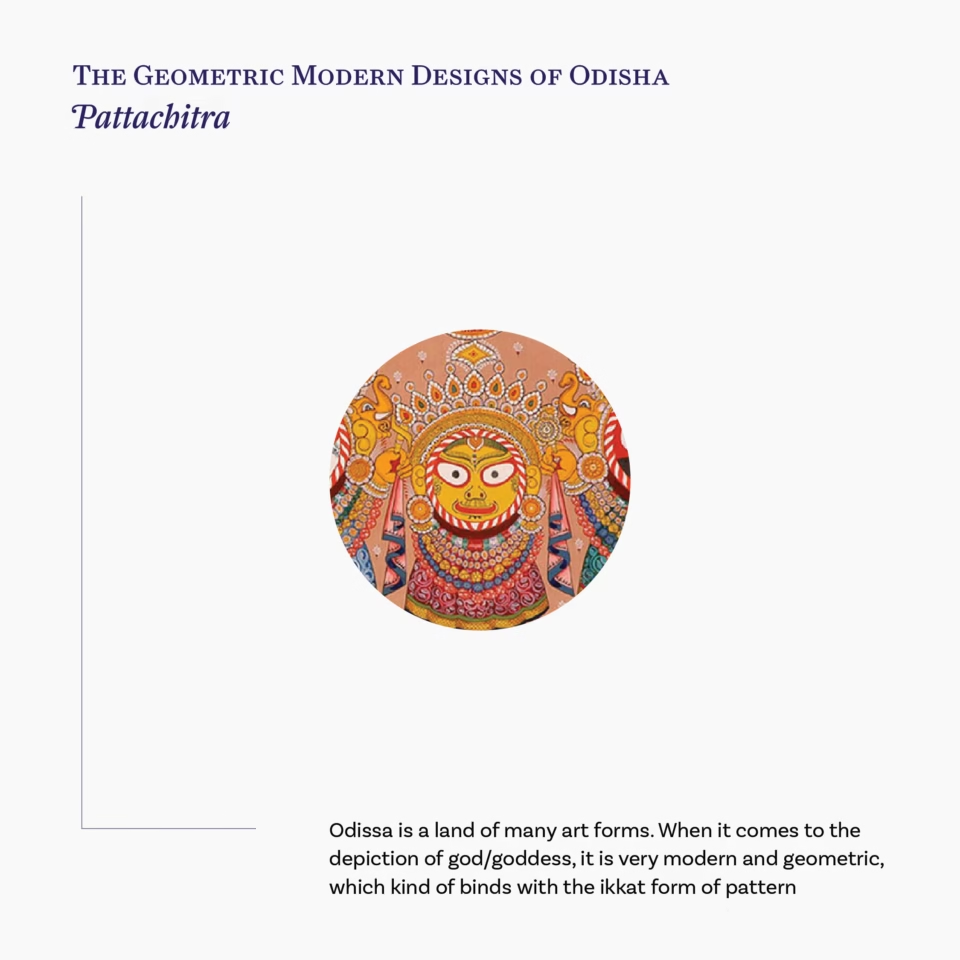
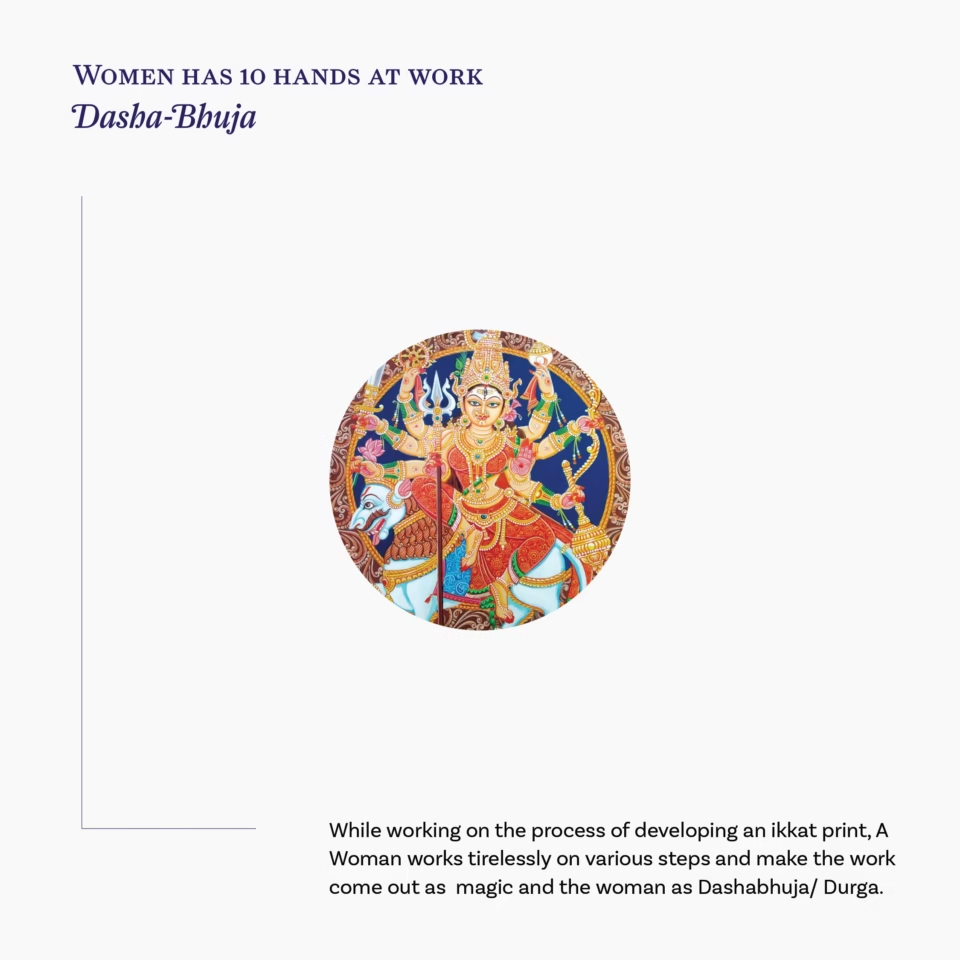
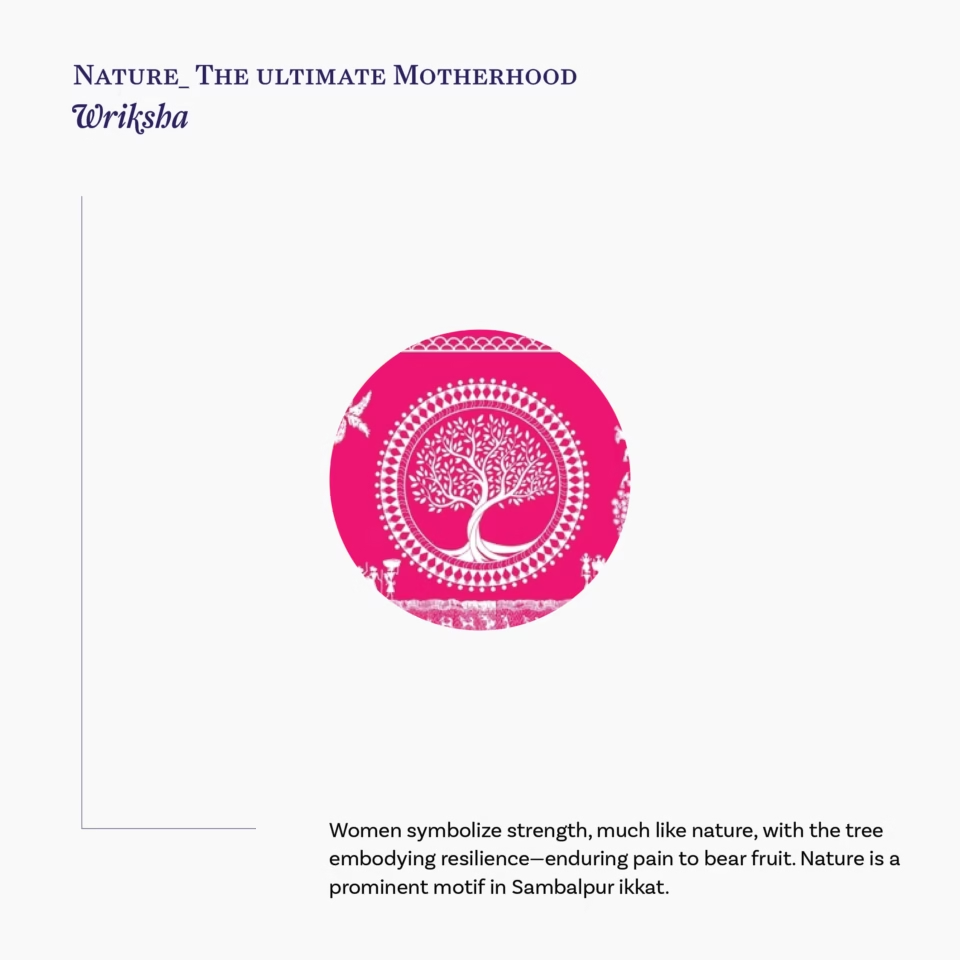
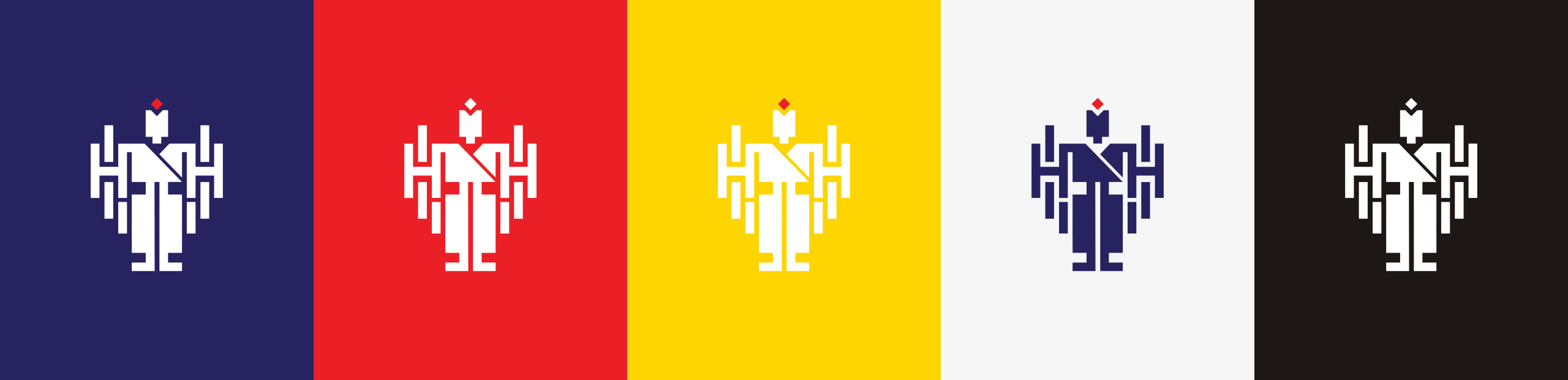
The identity of Sambandho reflects the soul of Odisha—its geometry, its myths, and its women. Inspired by the modern, structured depictions found in Odia art like Pattachitra, the logo captures the balance between divinity and craft. Imagined as a double knit of red and blue threads, the logo forms a female figure through the interlacing of weft and warp—an ode to both form and function. She appears with multiple hands, symbolizing the tireless, skilled nature of the women weavers, evoking the image of a goddess in motion. The visual language is completed by the Vriksha, or tree form, representing nurturing, continuity, and motherhood. Together, these motifs embody the strength, grace, and legacy of Sambandho’s women—whose artistry carries heritage into the future.