Project Overview
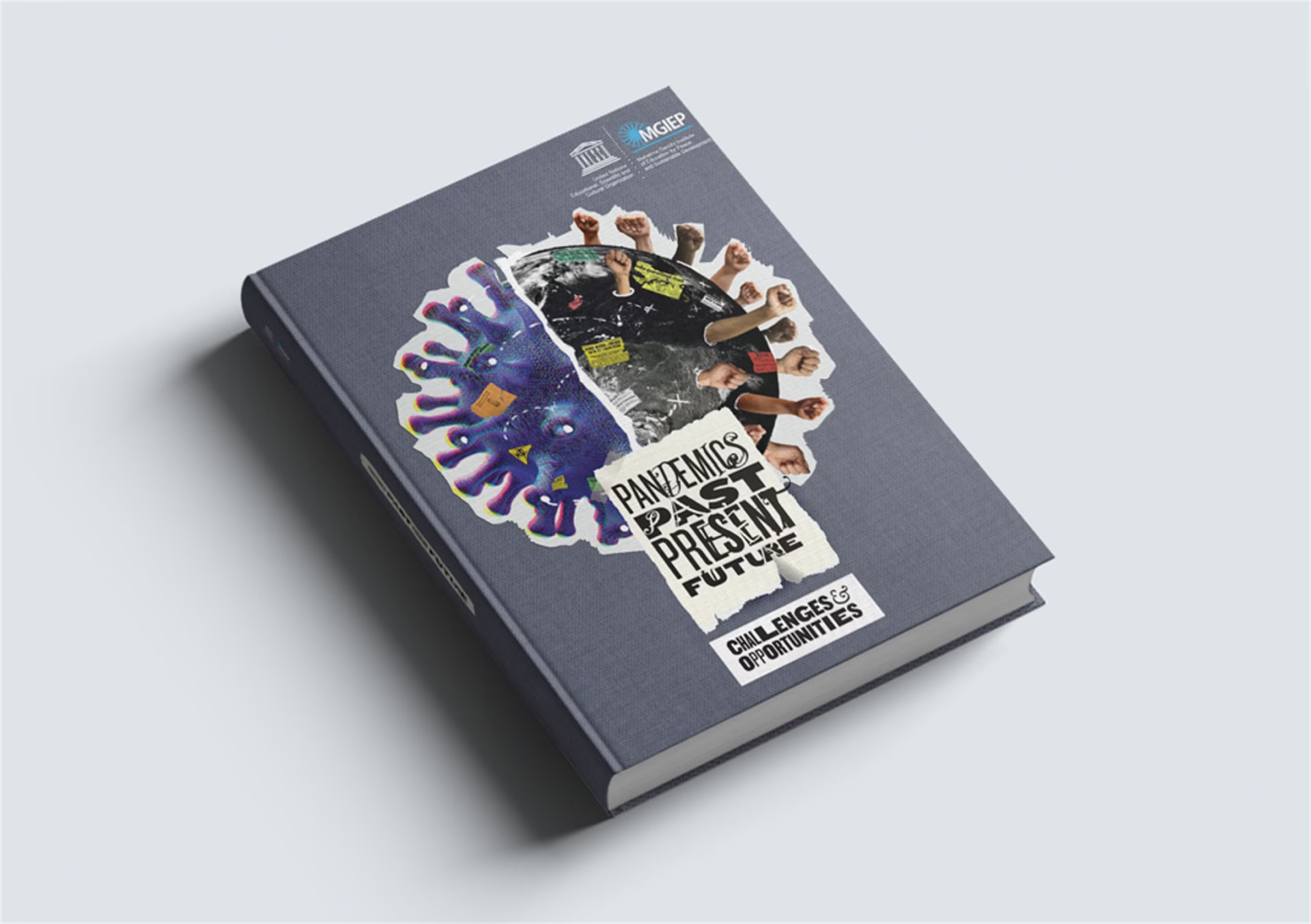
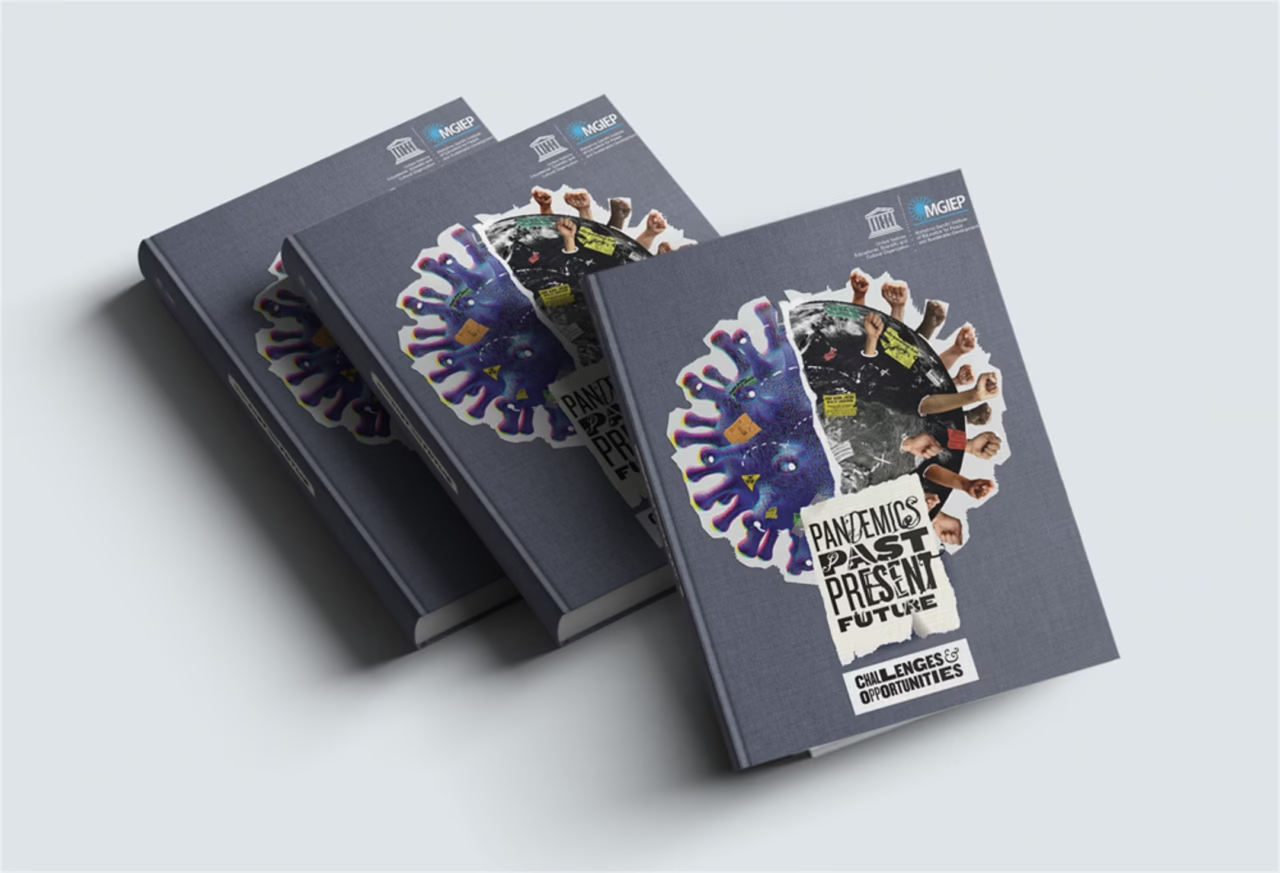
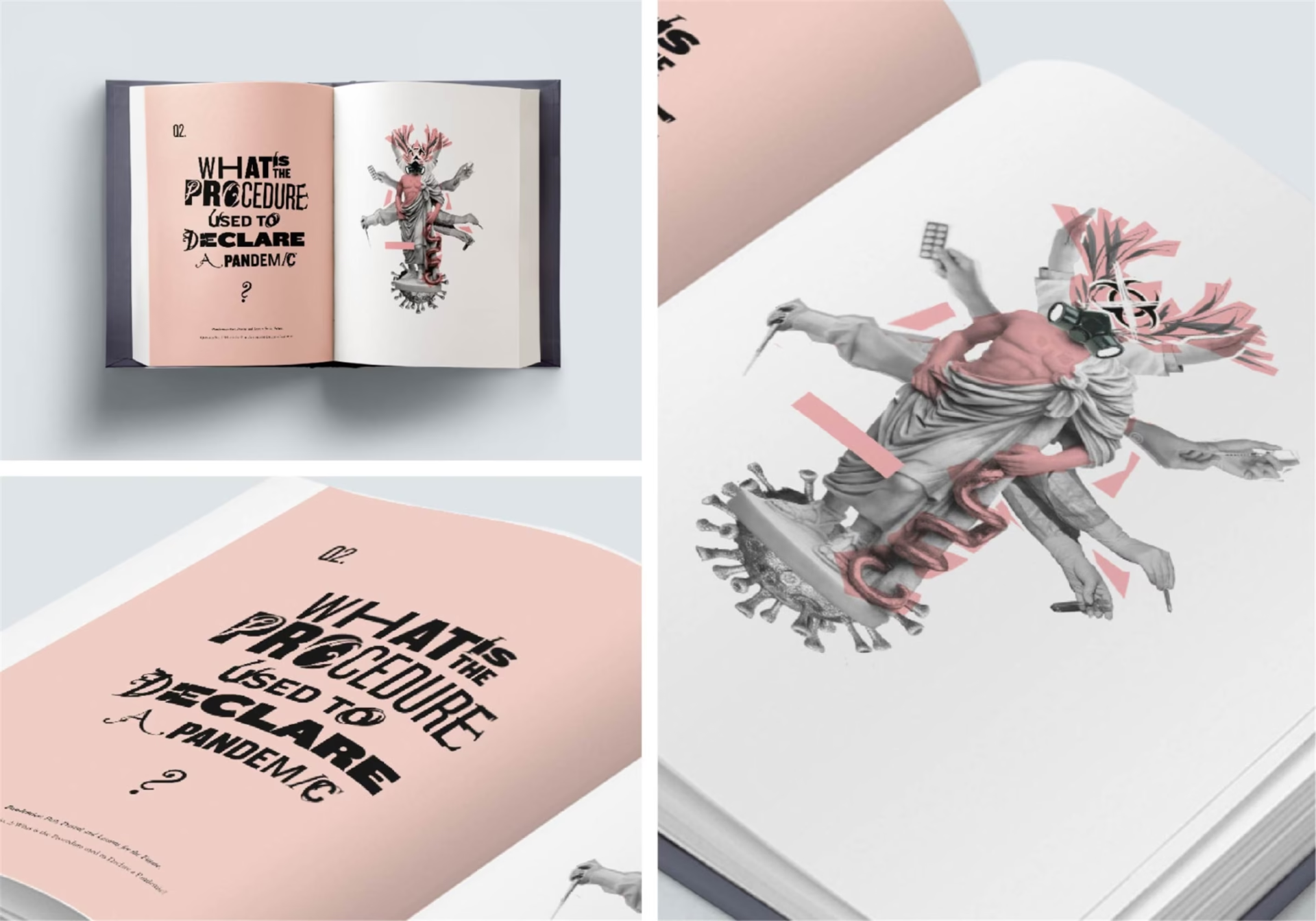
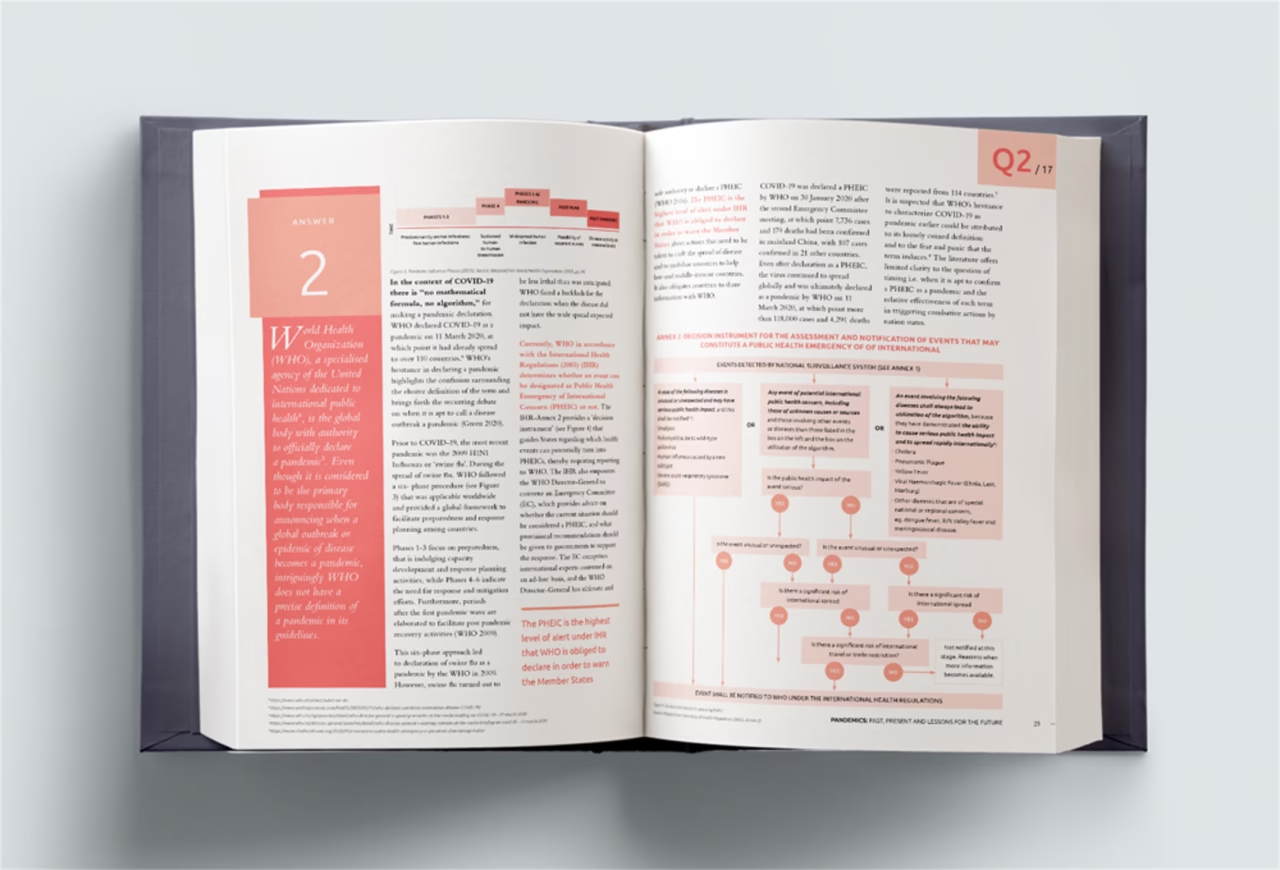
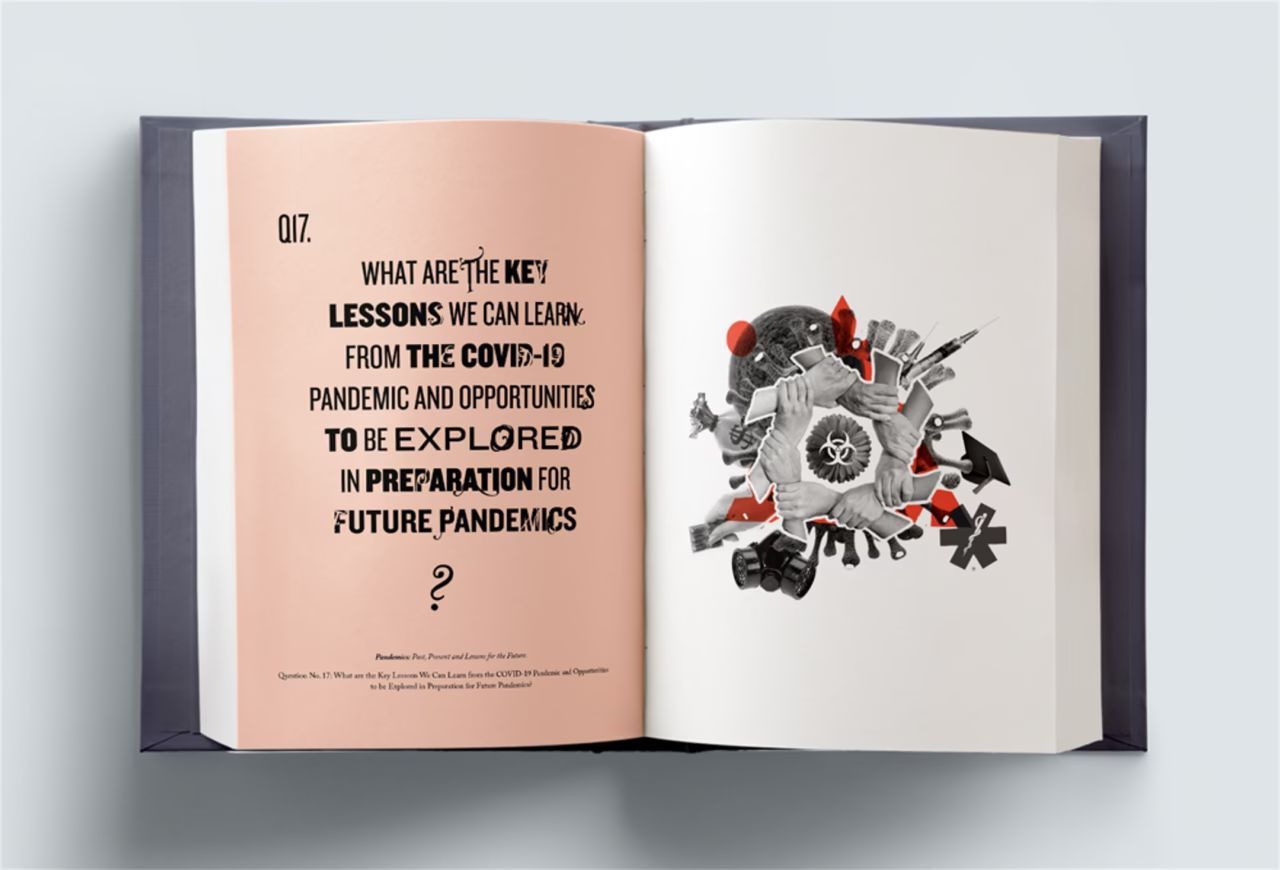
“Pandemics: Past, Present, Future” is a collaborative effort between UNESCO MGIEP and the PMO, Government of India, aimed at disseminating comprehensive research on the COVID-19 pandemic and its impacts in India. This publication design innovatively presents the research findings in a visually engaging format, incorporating creative elements to enhance understanding and accessibility.
Problem Statement
The challenge was to effectively communicate extensive research on the COVID-19 pandemic’s effects in India to a diverse audience, while ensuring readability and engagement. Traditional formats often fail to capture attention or convey complex information adequately. Additionally, with the unpredictability of the pandemic, conveying the gravity of the situation required a unique approach.
Our Approach
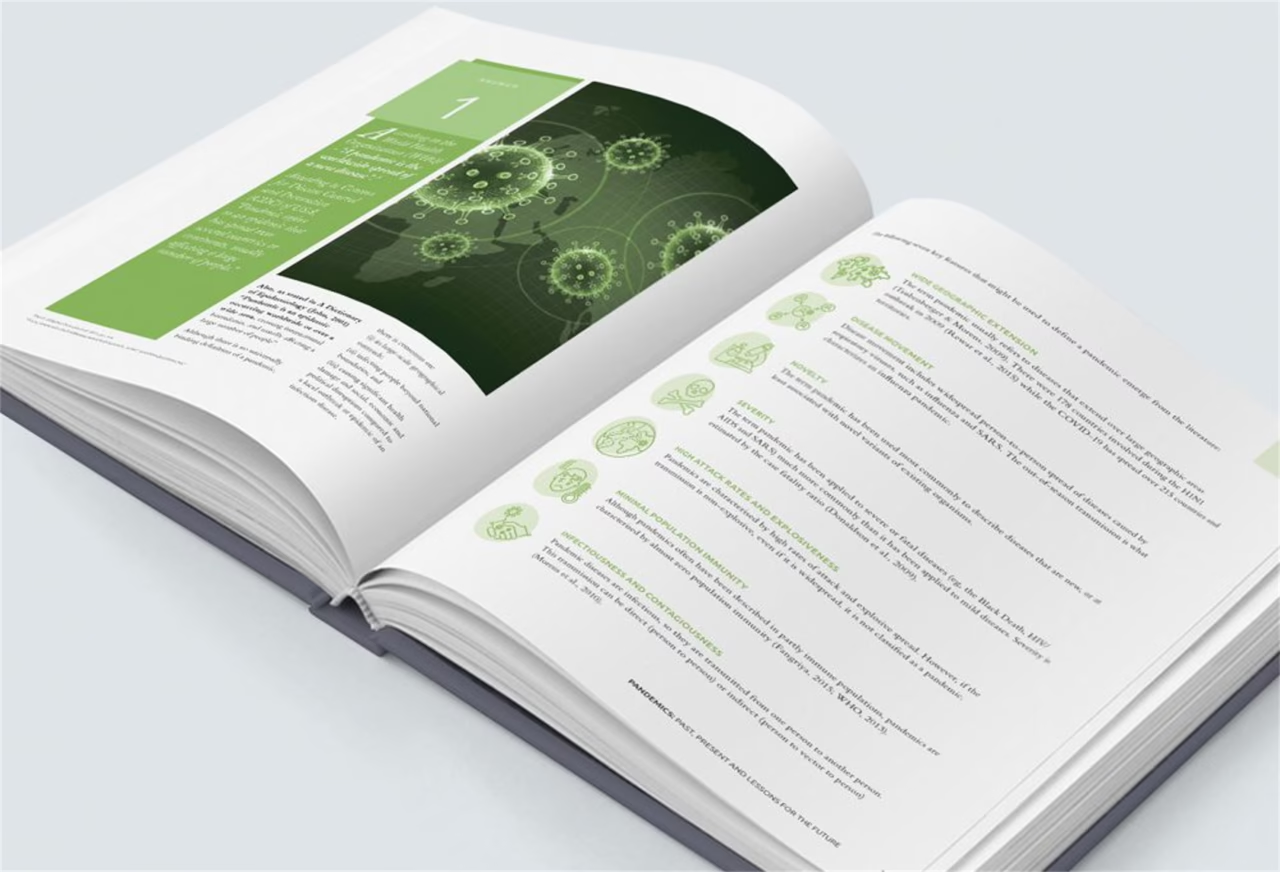
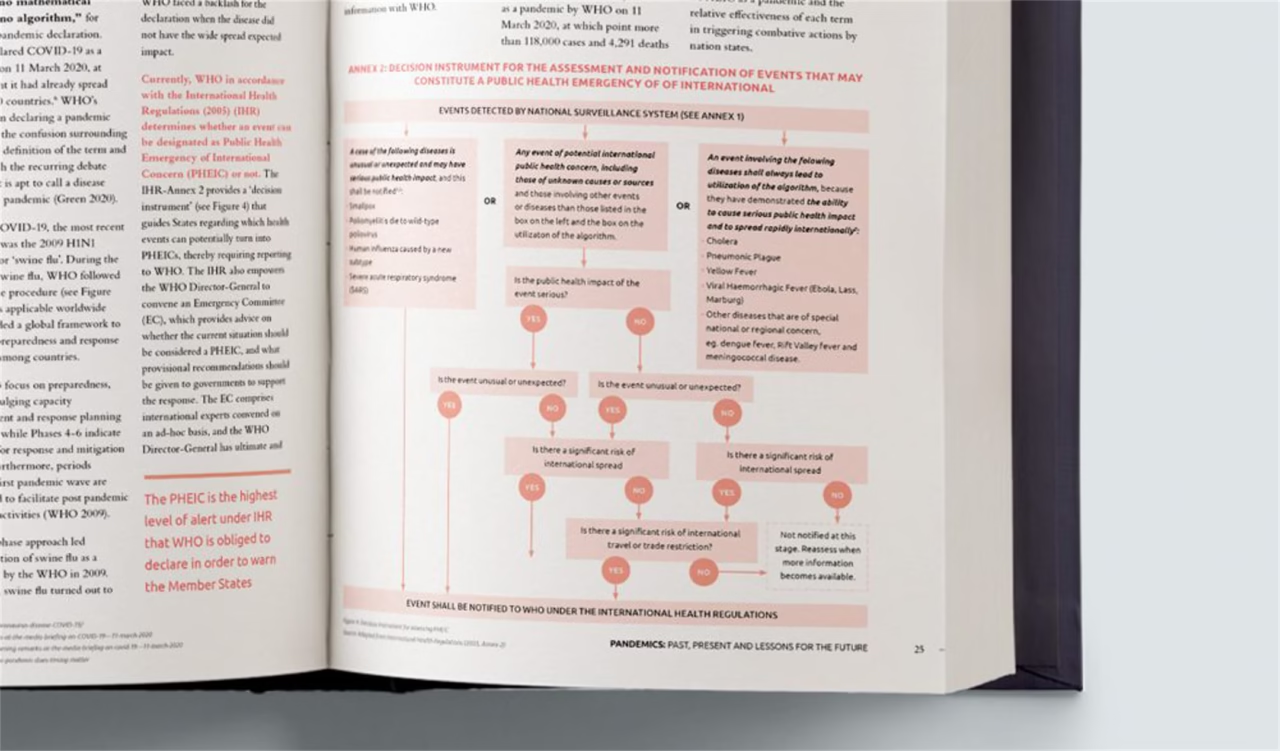
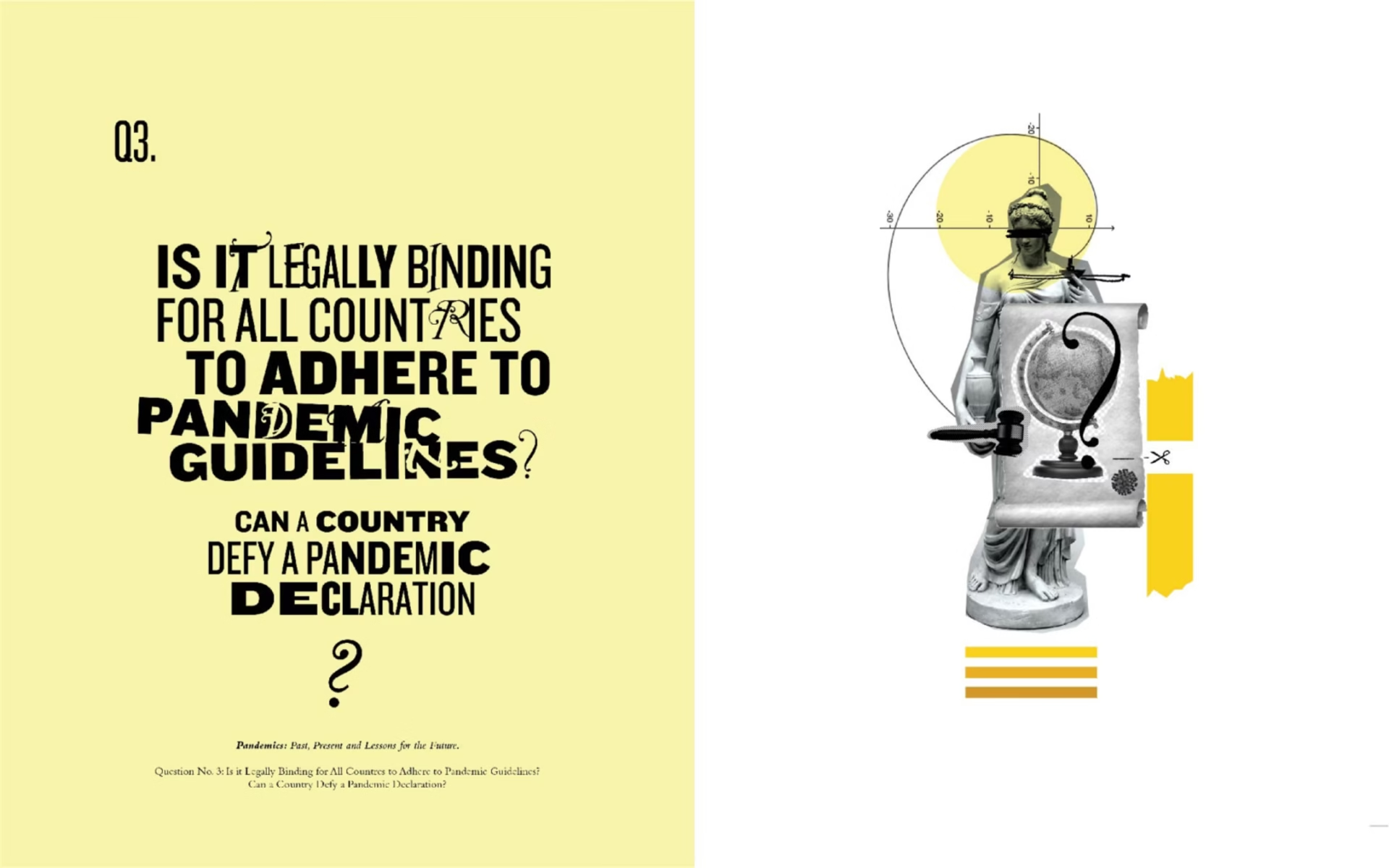
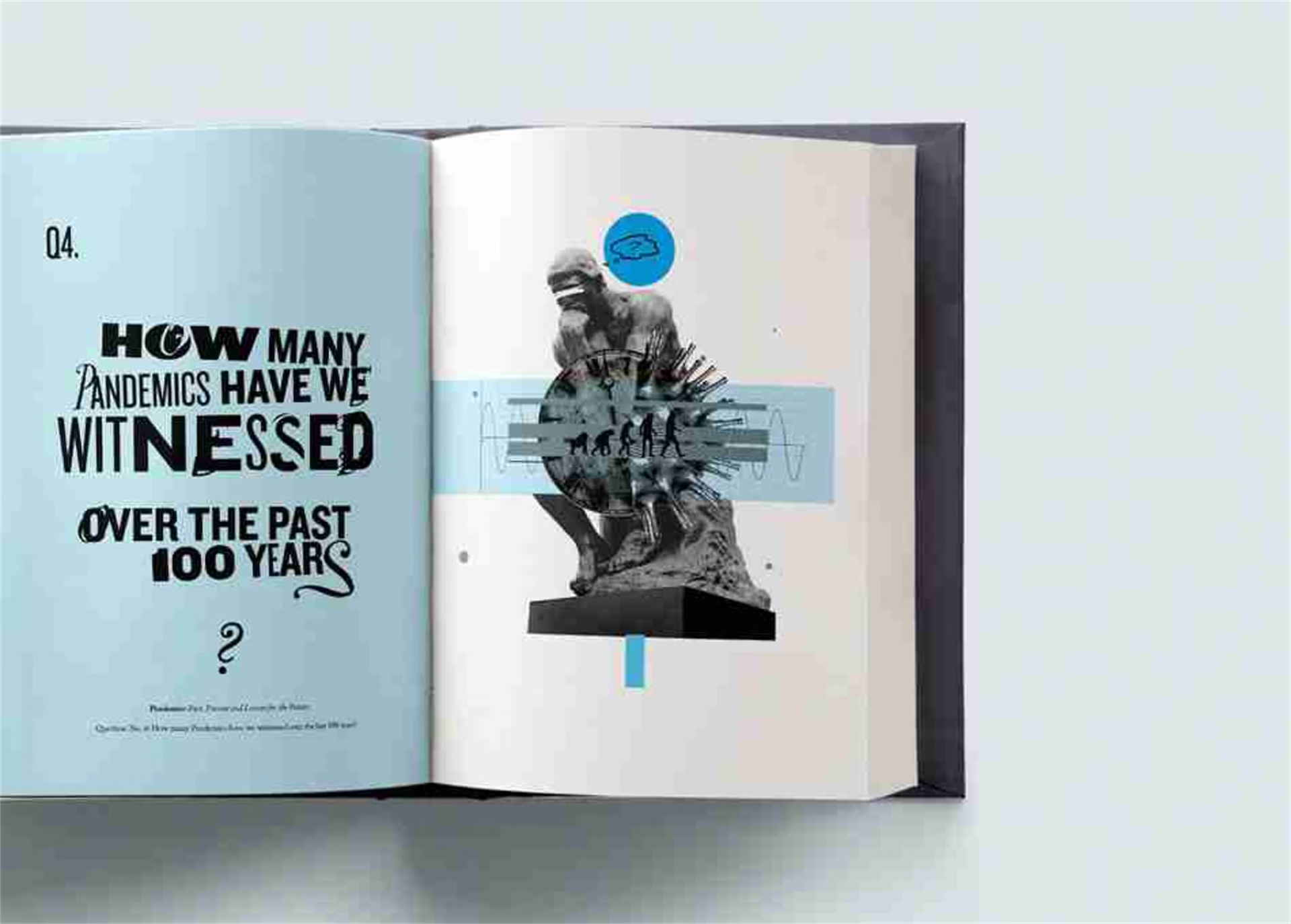
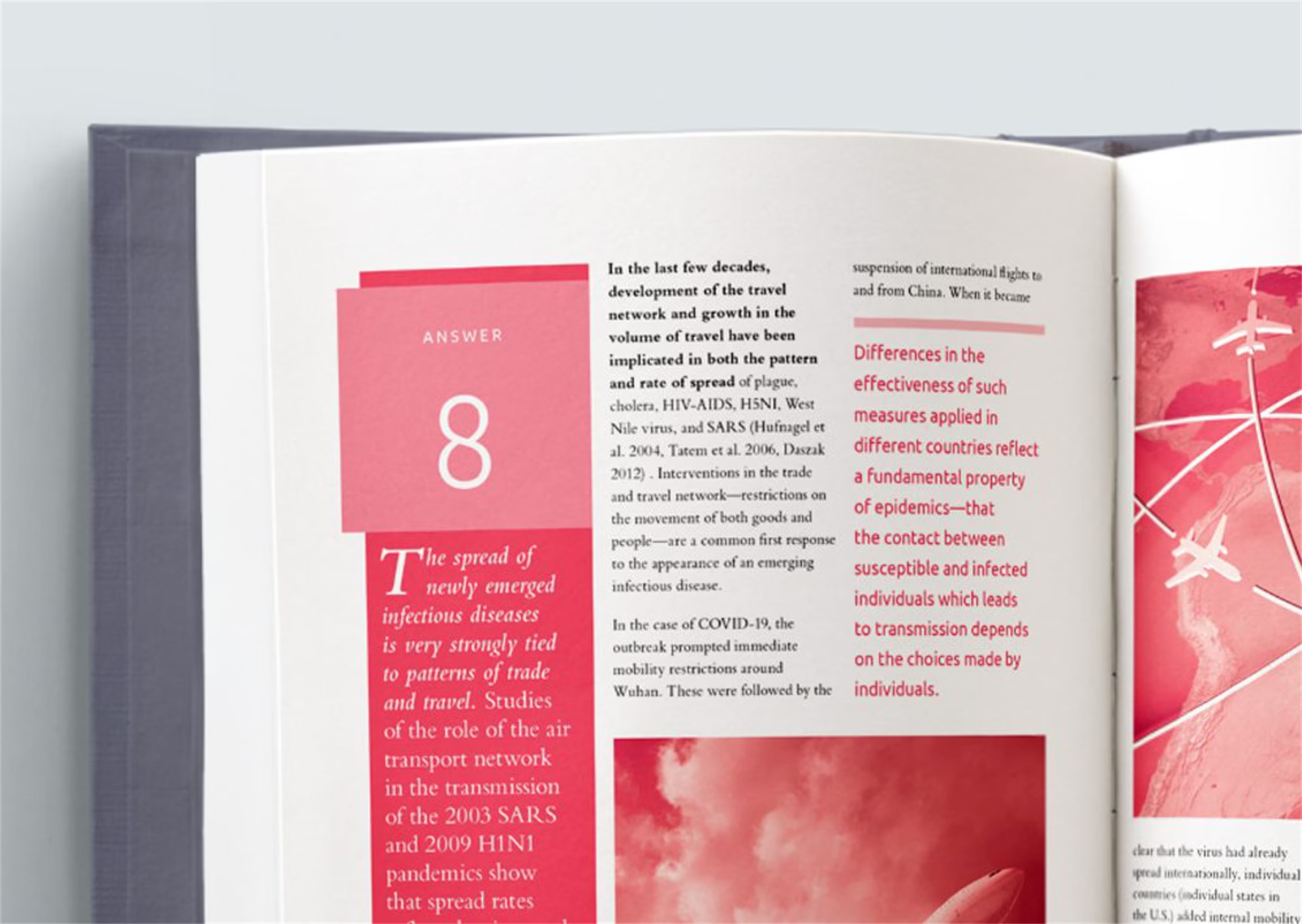
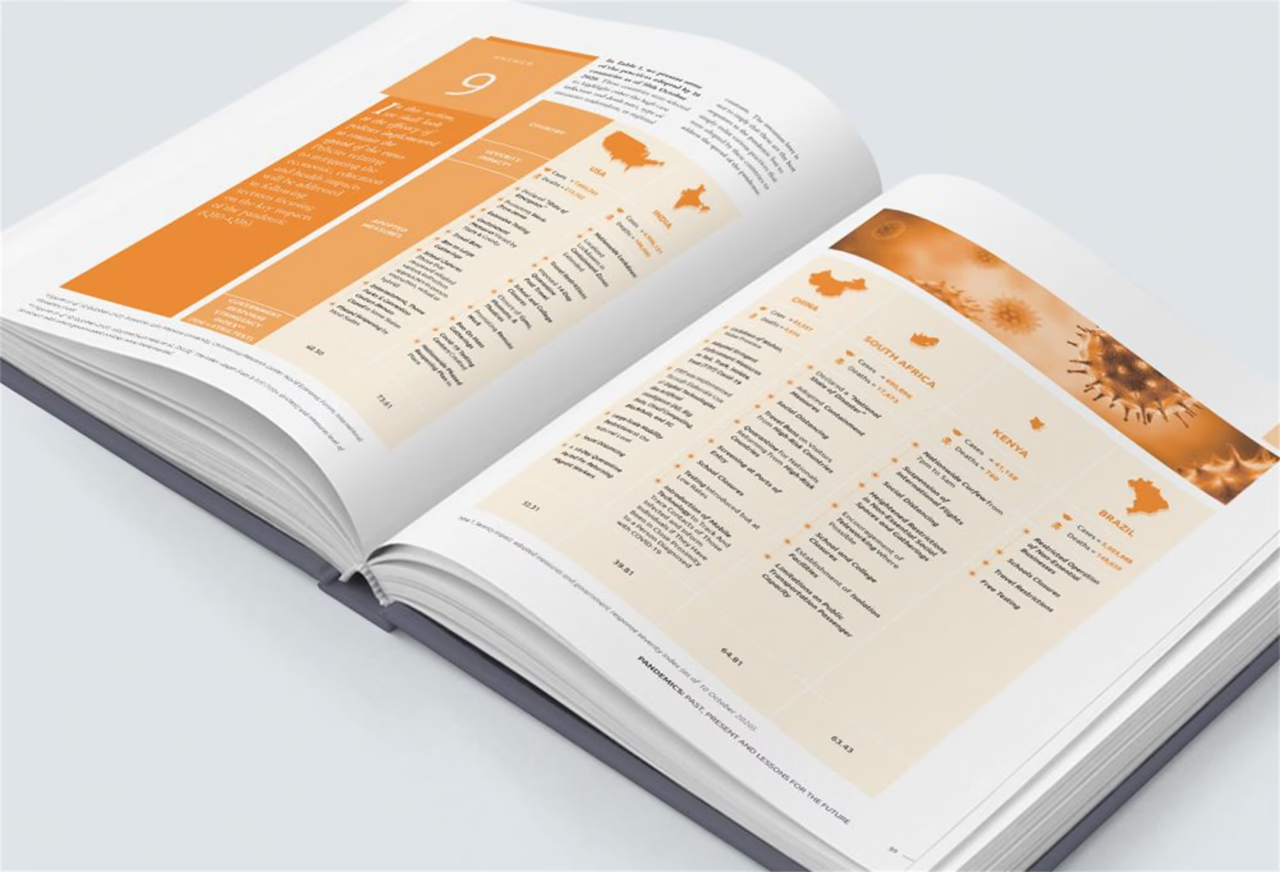
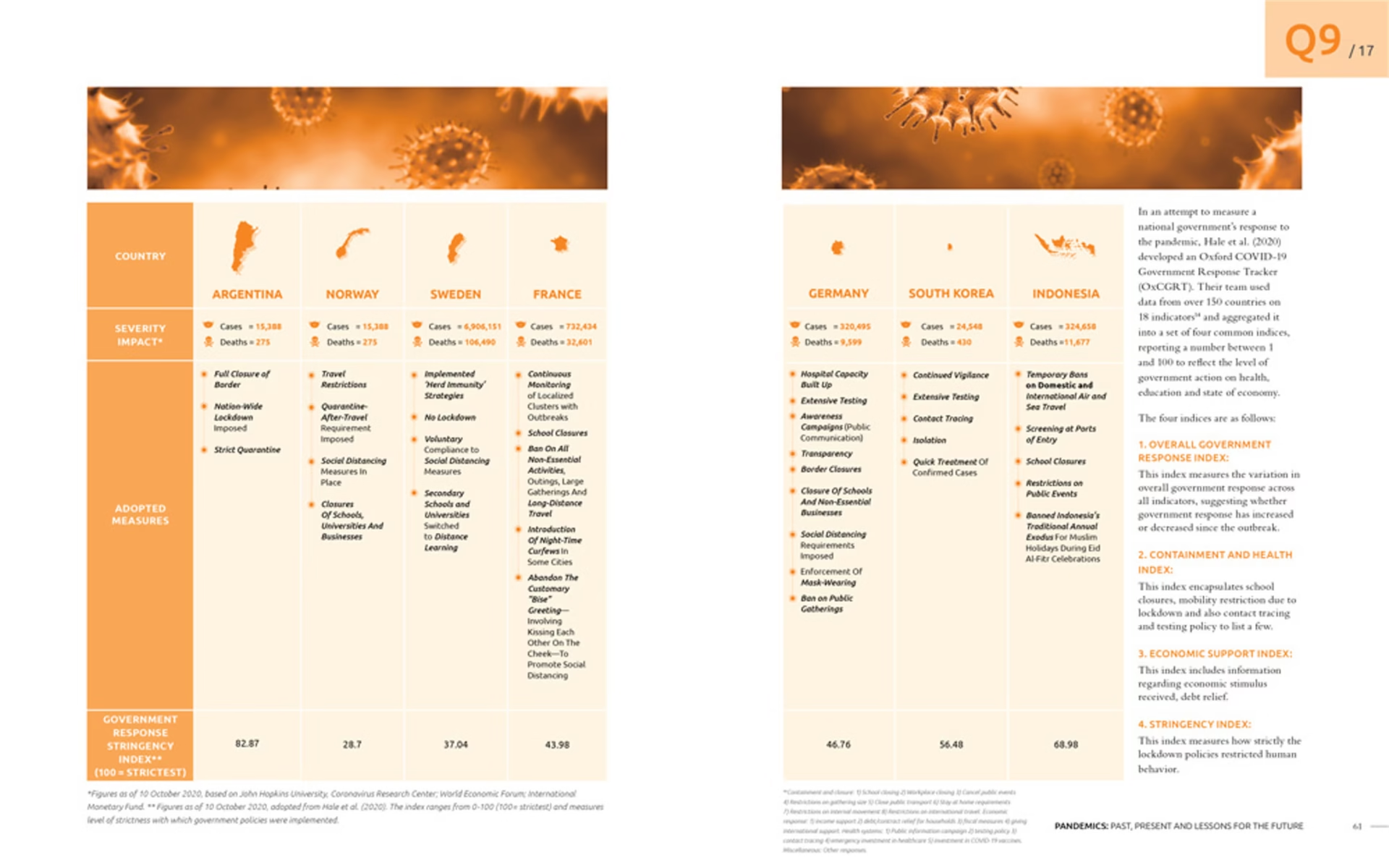
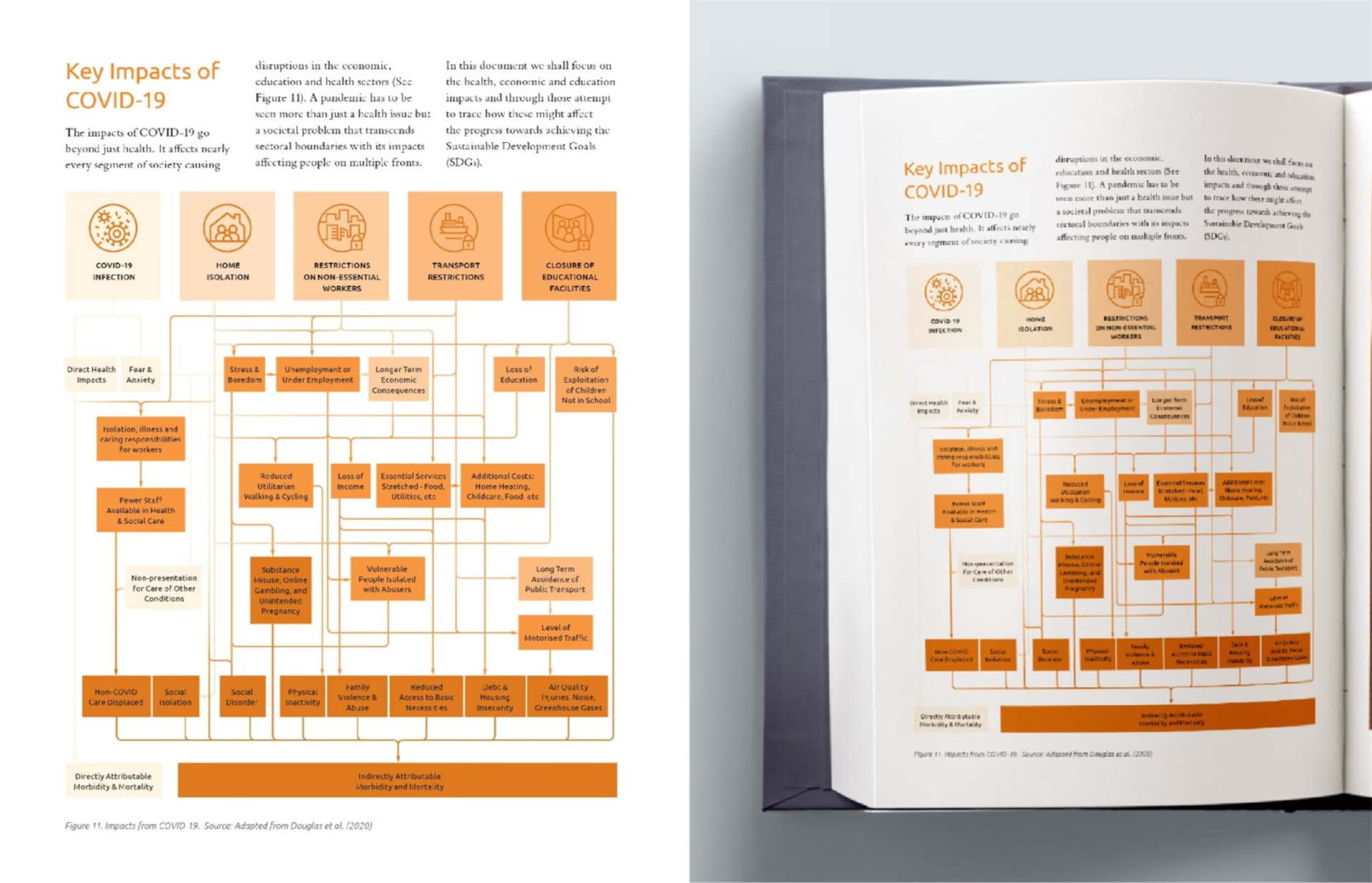
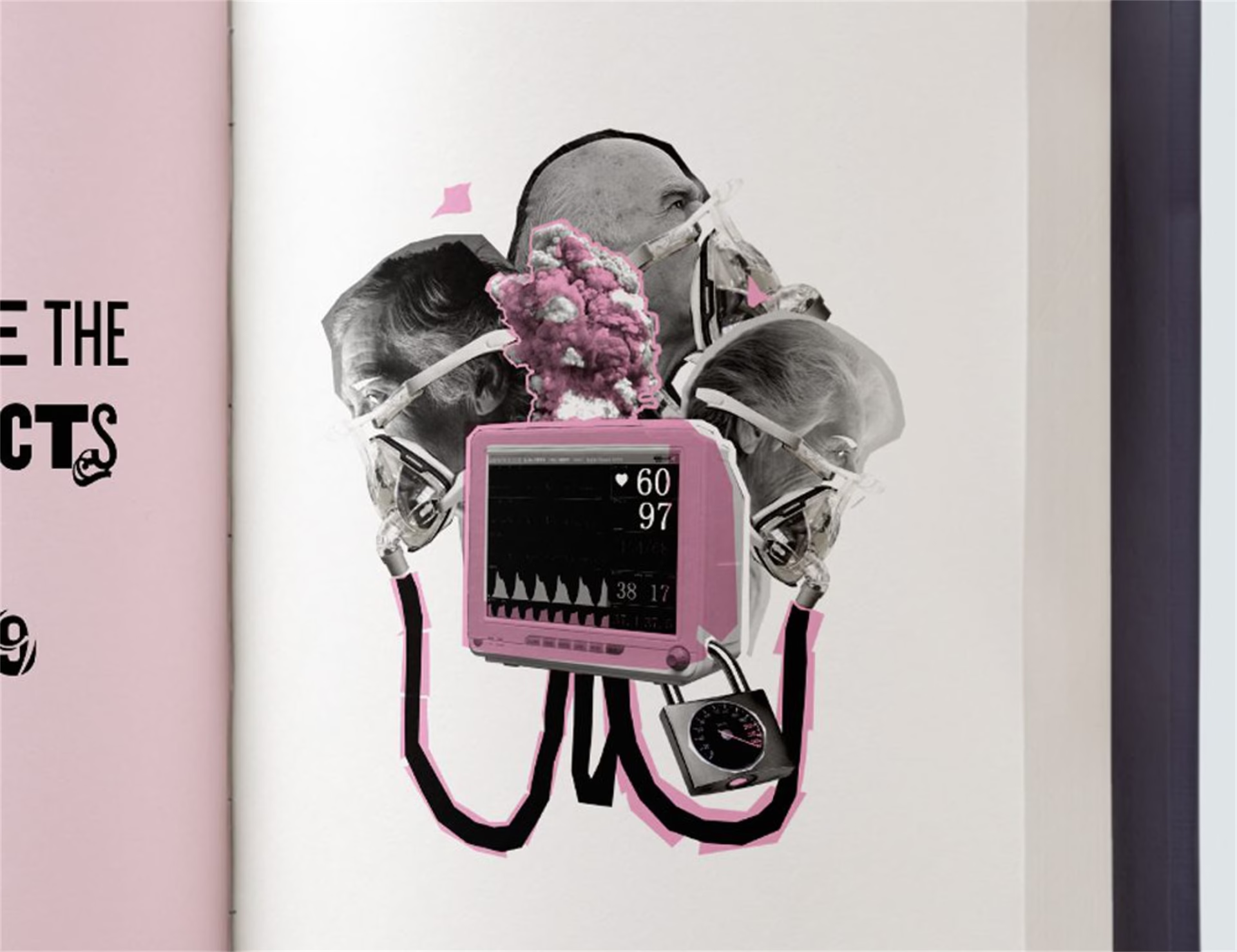
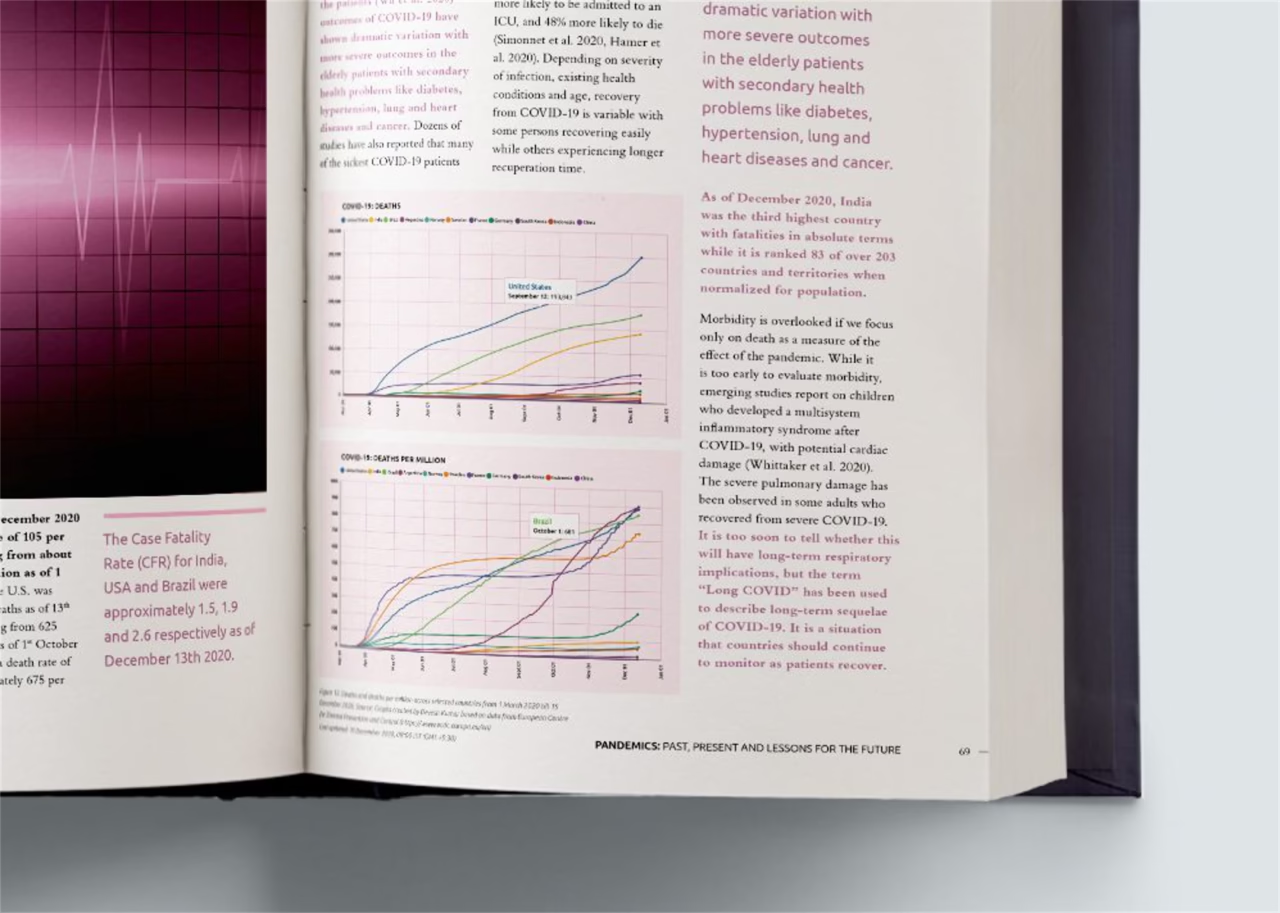
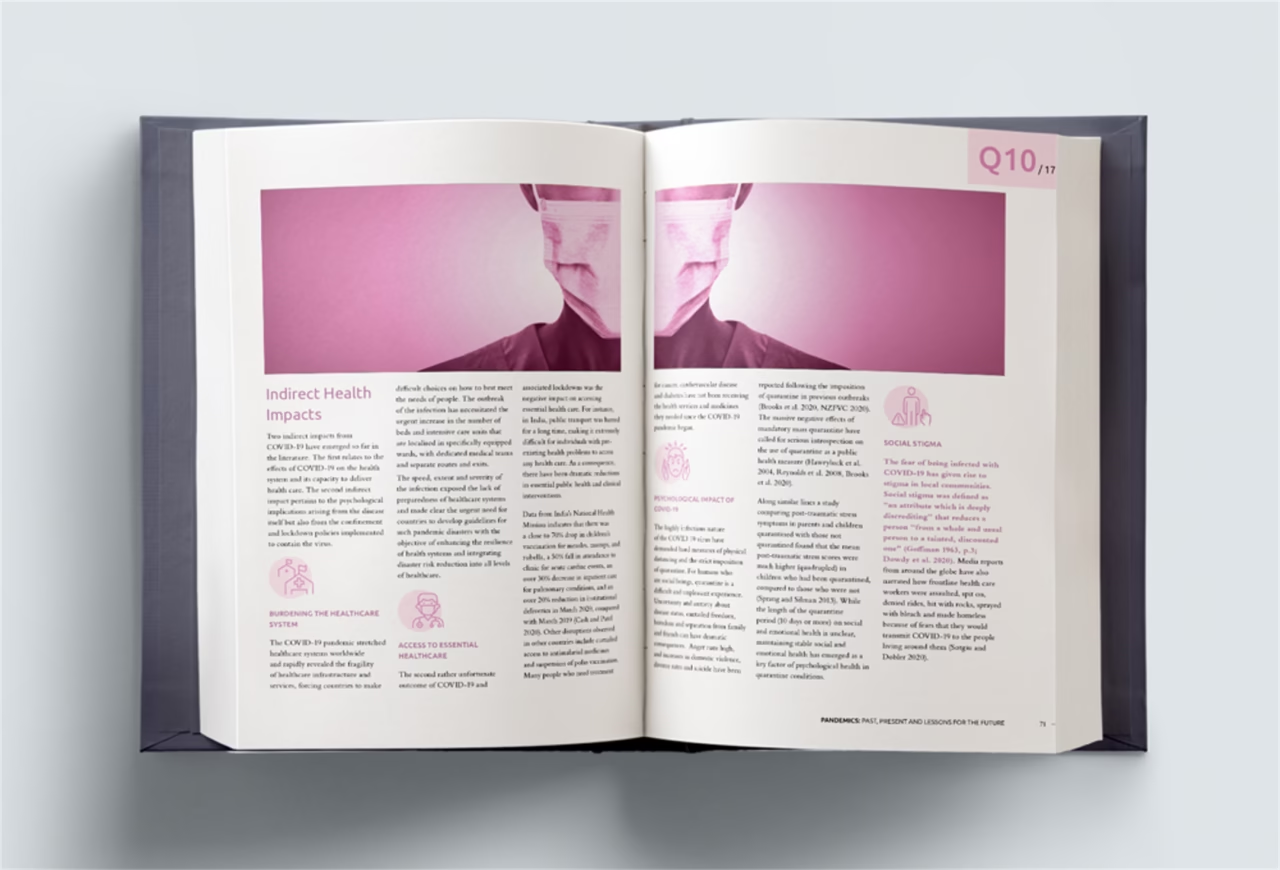
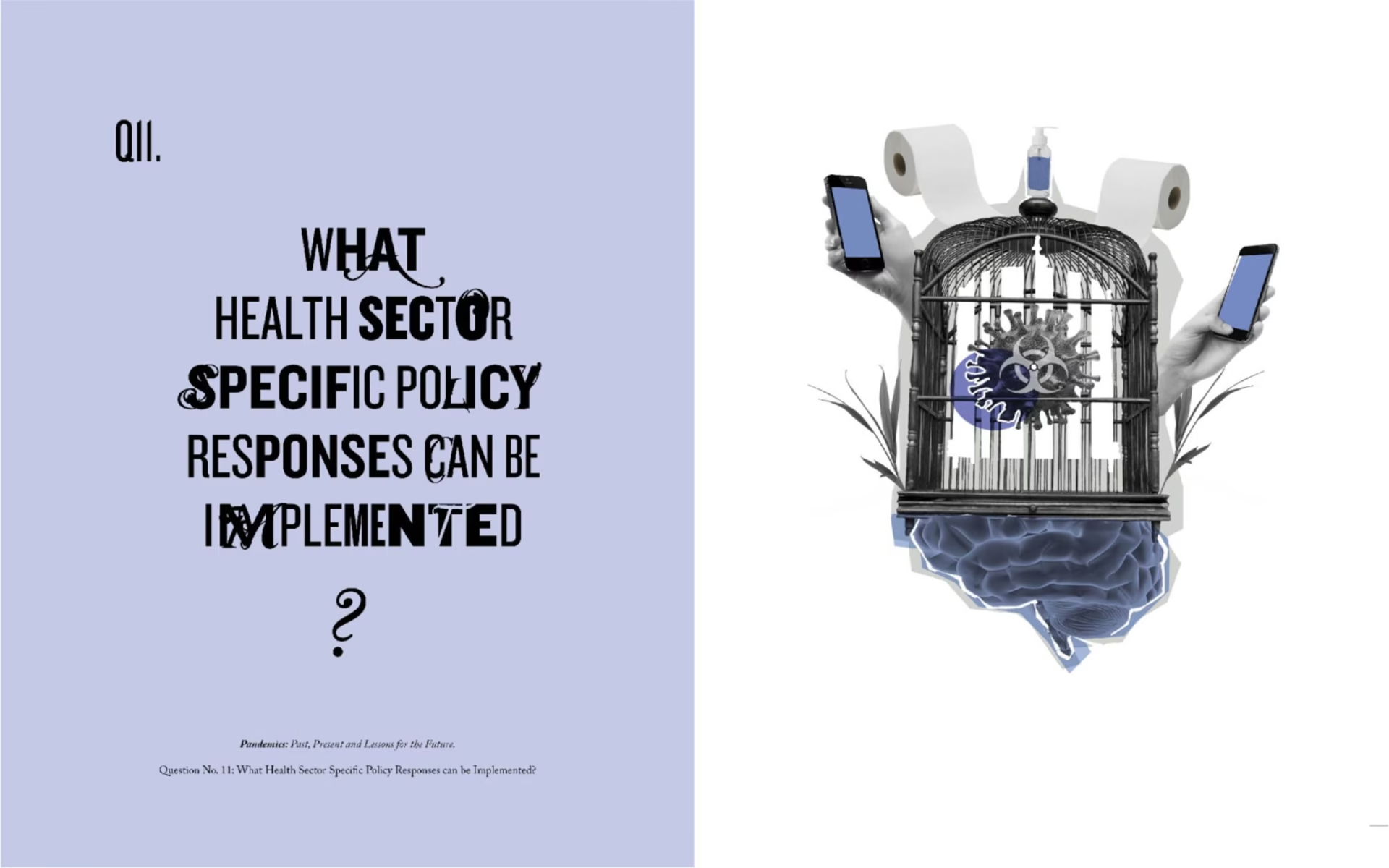
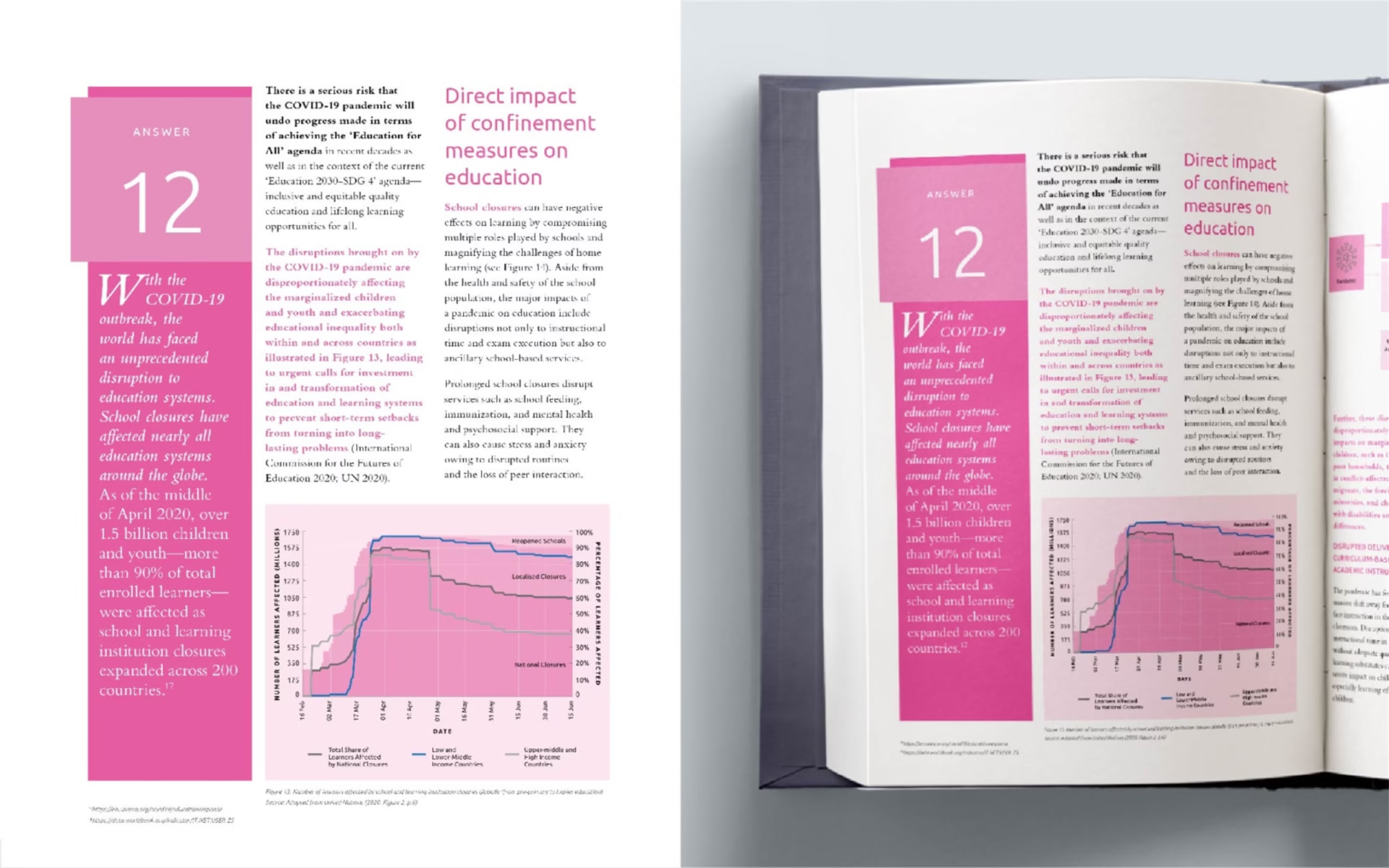
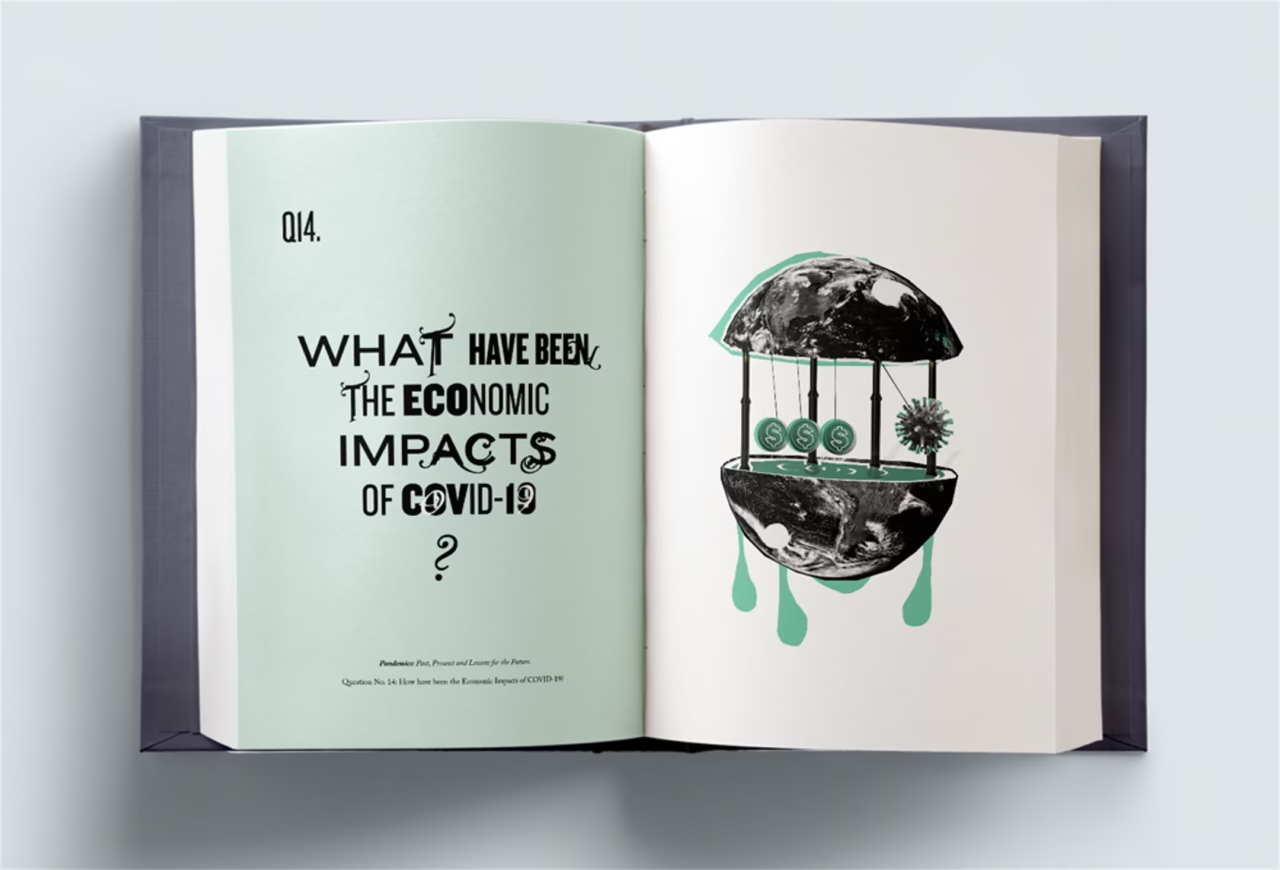
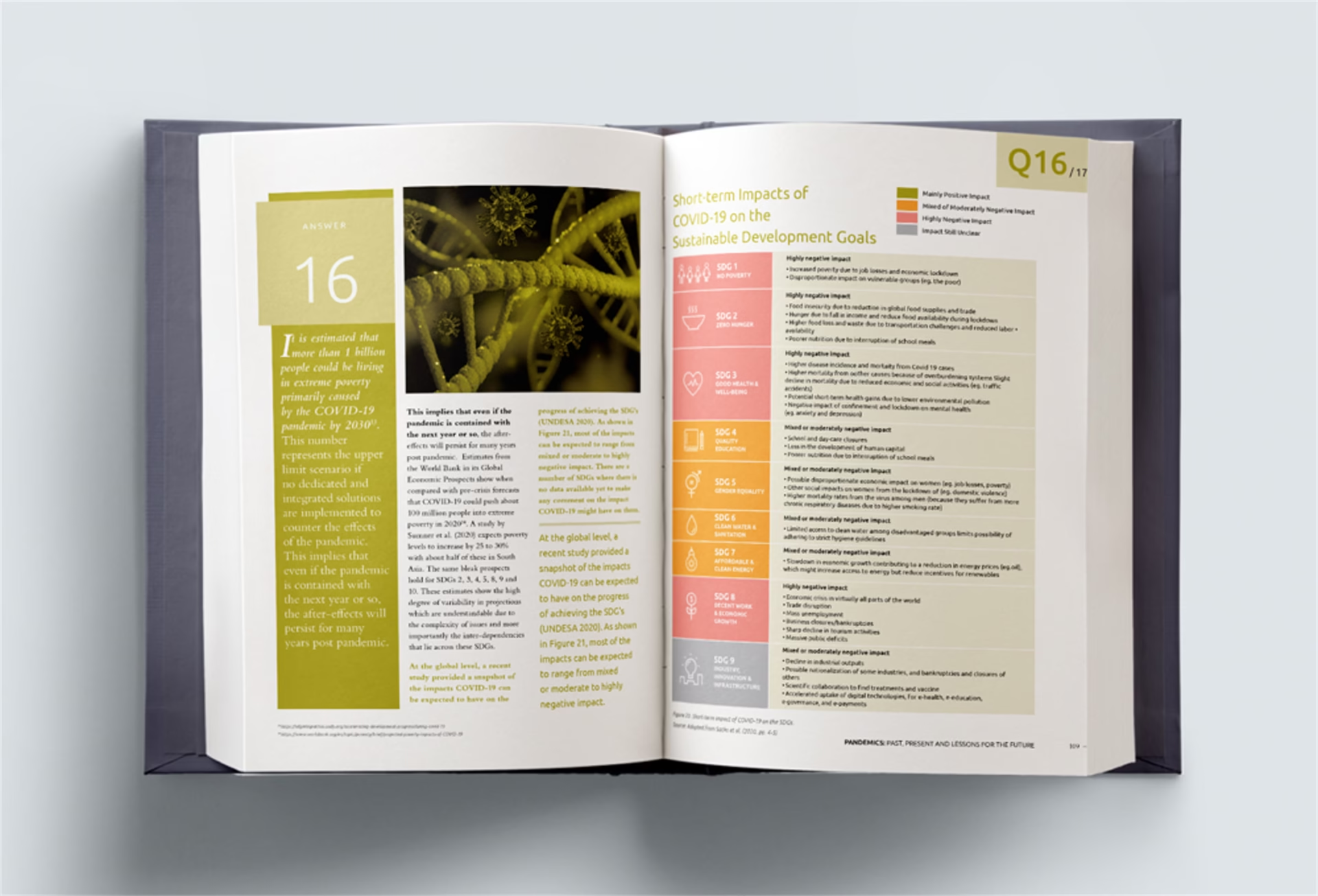
The design approach focused on creatively presenting extensive research on the COVID-19 pandemic’s impact in India. Using a collage style, typography experimentation, and infographics, the publication balanced visual appeal with clarity. Color-coded sections, pull-out quotes, and detailed infographics ensured accessibility, setting a new standard for research presentation.